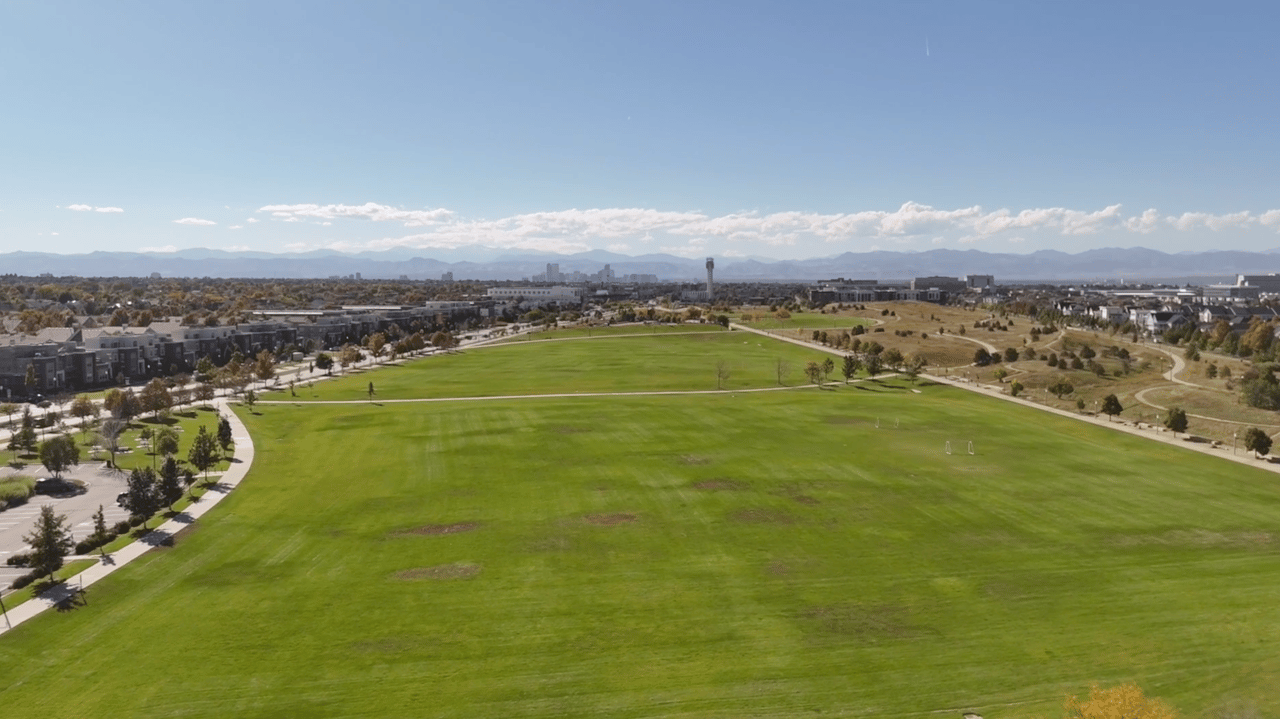
Central Park Denver Parks: How Open Space Shapes the Neighborhood
One of the defining features of Central Park Denver is its extensive park system. Unlike many Denver neighborhoods where parks are occasional amenities, Central Park was designed around integrated open space, with parks, greenways, and trails woven throughout the community.
For buyers, understanding Central Park Denver parks is essential—not just for lifestyle, but for how location within the neighborhood can influence daily living and long-term value.
The Role of Parks in Central Park
Central Park includes a wide range of parks, from large regional open spaces to smaller neighborhood greens.
Types of parks you’ll find:
- Large destination parks and open space areas
- Community gathering spaces
- Pocket parks within residential blocks
- Natural areas and preserved landscapes
Notable examples include:
- Bluff Lake Nature Center
- Founders Green
- The larger Central Park open space itself
Key takeaway: Parks are not centralized—they are distributed throughout the neighborhood, creating consistent access.
Lifestyle Benefits of Living Near Parks
Access to parks is one of the primary lifestyle drivers in Central Park.
Everyday benefits include:
- Easy access to walking and biking trails
- Space for outdoor recreation and fitness
- Areas for community events and gatherings
- Visual openness and reduced density feel
For many residents, parks function as an extension of their living space.
Community and Social Impact
Parks in Central Park often serve as:
- Event spaces for markets, concerts, and gatherings
- Informal meeting points for residents
- Activity hubs for recreation and leisure
This contributes to a community-oriented environment that many buyers actively seek.
Proximity to Homes: Why It Matters
Not all homes in Central Park are positioned equally relative to parks.
Homes directly adjacent to parks may offer:
- Open views and increased privacy
- Immediate access to trails and green space
- Stronger buyer interest
Homes within walking distance:
- Still benefit from accessibility
- Often appeal to buyers seeking convenience without premium pricing
Homes further from parks:
- May rely more on driving or biking
- Typically trade off proximity for other factors like price or size
Insight: Proximity to parks is a meaningful variable in both lifestyle and perceived value.
Buyer Appeal: Why Parks Influence Demand
Parks are consistently one of the most cited reasons buyers choose Central Park.
What buyers are drawn to:
- Walkability to open space
- Visual appeal of green surroundings
- Recreational opportunities
- Community atmosphere
How this impacts real estate:
- Homes near parks often attract more attention
- Certain locations may command price premiums
- Demand tends to remain consistent over time
However, park adjacency can also introduce considerations such as:
- Increased foot traffic
- Event-related activity and noise
Parks and Long-Term Value
While parks are not the sole driver of property value, they contribute to:
- Neighborhood desirability
- Buyer demand stability
- Long-term livability
In a master-planned community like Central Park, the park system is a foundational element that supports overall market strength.
FAQs: Central Park Denver Parks
1. Are there a lot of parks in Central Park Denver?
Yes. The neighborhood was designed with an extensive network of parks, open space, and greenways integrated throughout.
2. Do all homes have easy access to parks?
Most homes are within reasonable distance, but proximity varies. Some homes are directly adjacent, while others are a short walk or bike ride away.
3. Do homes near parks cost more?
In many cases, homes with direct park access or views may command a premium, though pricing depends on multiple factors.
4. Are the parks used for community events?
Yes. Many parks host events such as markets, concerts, and neighborhood gatherings.
5. Are there natural areas as well as maintained parks?
Yes. Areas like Bluff Lake Nature Center provide a more natural environment alongside maintained green spaces.
6. Do parks affect resale value?
They can contribute to buyer appeal and demand, which may positively influence resale, though they are one of several factors.
7. Is living near a park always better?
It depends on buyer preference. While many value proximity, others may prefer quieter interior locations.
Final Thoughts
The Central Park Denver parks system is one of the neighborhood’s defining features, shaping both daily lifestyle and long-term appeal. With parks distributed throughout the community, most residents benefit from easy access to open space—one of the key reasons Central Park continues to attract buyers.
For those evaluating where to live within the neighborhood, understanding proximity to parks can be just as important as the home itself.
By Alex Neir, Denver Real Estate Broker
Specializing in Central Park & luxury residential sales